


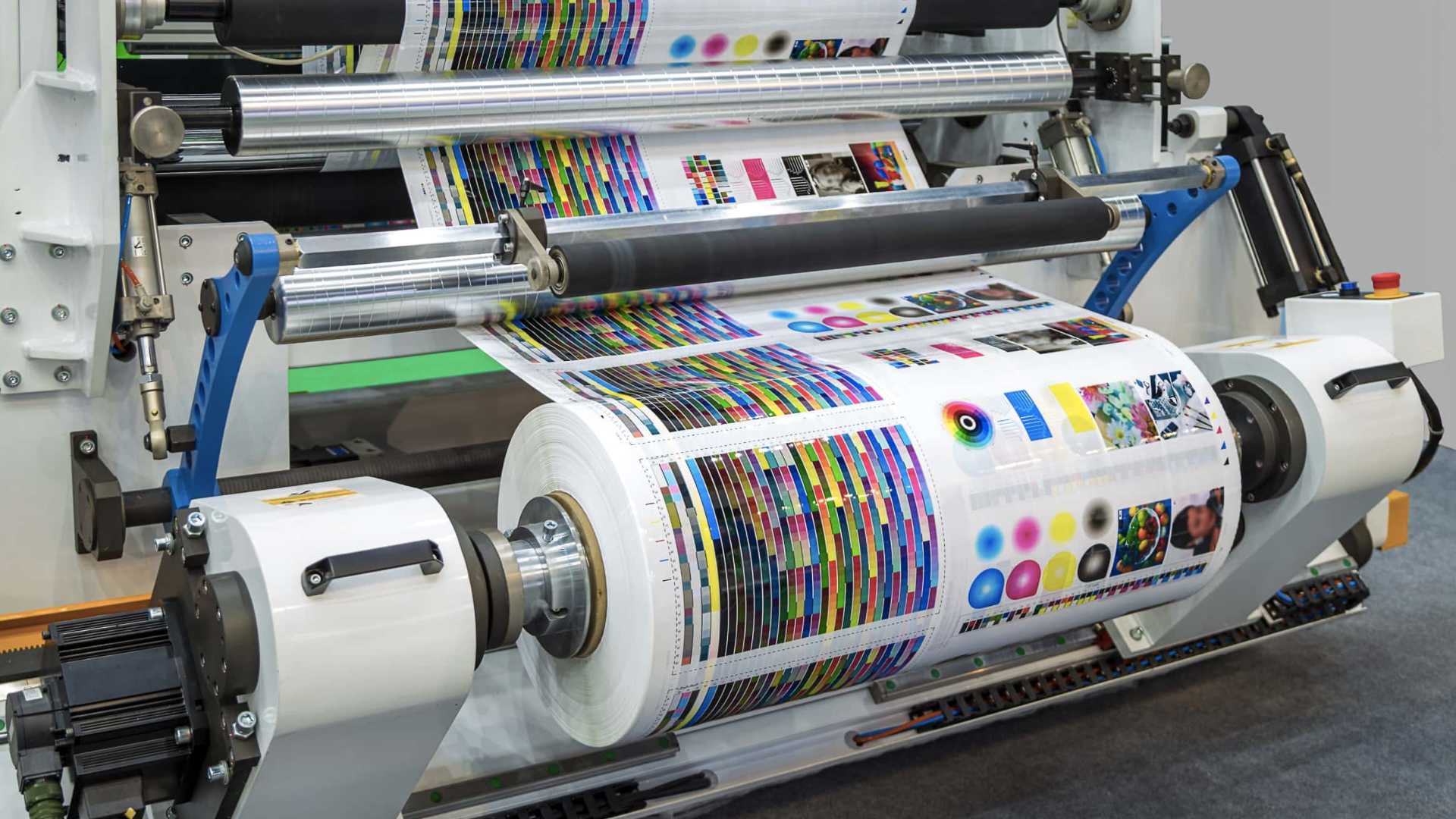
What is Offset Printing?
Offset printing is one of the forms of commercial printing that is widely used and popular. It is commonly used in printing newspapers, magazines, brochures, business cards, posters, packaging material, and marketing materials.
In offset printing, the inked image is first transferred onto a rubber blanket using a metal plate before printing onto the surface of the paper. This is called the offset printing process because the image is transferred from the plate to the rubber blanket before it is applied to the paper.
High-quality prints, sharp details, vibrant colors, and consistent results are the hallmarks of offset printing, especially for high-volume printing projects.
Types of Offset Printing
There are different types of offset printing used depending on the printing needs and materials.
1. Sheet-Fed Offset Printing
Sheet-fed offset printing uses individual sheets of paper that are fed into the printing press.
Common Uses:
- Business cards
- Brochures
- Flyers
- Posters
- Invitations
- Booklets
This method is ideal for high-quality prints and medium to large print runs.
2. Web Offset Printing
Web offset printing uses a continuous roll of paper instead of individual sheets.
Common Uses:
- Newspapers
- Magazines
- Catalogs
- High-volume marketing materials
This method is best for very large printing volumes because it is faster and more efficient.
3. Dry Offset Printing
Dry offset printing is mainly used for printing on plastic materials and packaging products.
Common Uses:
- Plastic containers
- Cups
- Packaging labels
4. Waterless Offset Printing
Waterless offset printing does not use water in the printing process. Instead, it uses special plates to control ink placement.
Benefits:
- Better color consistency
- Reduced environmental impact
- Improved print quality
Understanding the Process of Offset Printing: A Step-by-Step Guide
Offset printing is a process that involves several steps to produce high-quality printed products.
Step 1: Design Preparation
The printing process begins with the design, which is prepared using professional design software.
Step 2: Plate Creation
The design is transferred onto different metal plates. These plates carry the image that will be printed.
Offset printing usually uses the CMYK color model:
CMYK Colors:
- Cyan
- Magenta
- Yellow
- Black
Step 3: Ink and Water Application
The metal plates attract ink to the image areas and repel ink from the non-image areas using a water and ink balance.
Step 4: Transferring the Image onto the Rubber Blanket
The plate image is transferred to a rubber blanket cylinder. This helps protect the printing plate and allows printing on different types of paper surfaces.
Step 5: Printing on Paper
The rubber blanket then transfers the inked image onto the paper or printing material, producing clear, crisp, and uniform prints.
Step 6: Finishing Process
After printing, the materials may go through additional finishing processes such as:
- Cutting
- Folding
- Lamination
- Binding
- Coating
These finishing steps enhance the final product.
Uses of Offset Printing
Offset printing is widely used across different industries due to its efficiency and print quality.
Common Applications
1. Business Marketing Materials
- Brochures
- Flyers
- Business cards
- Catalogs
2. Publishing Industry
- Books
- Magazines
- Newspapers
3. Packaging Industry
- Product packaging
- Labels
- Boxes
4. Corporate Materials
- Letterheads
- Envelopes
- Corporate reports
Offset printing is preferred for large-volume printing because it can produce many copies at a lower cost per unit.
Advantages of Modern Offset Printing
Modern offset printing technology offers many benefits.
1. High Print Quality
Offset printing produces sharp images, vibrant colors, and professional results.
2. Cost-Effective for Large Quantities
The cost per print becomes cheaper when printing large volumes.
3. Consistent Color Output
Offset printing maintains consistent color across thousands of prints.
4. Wide Variety of Paper Options
It can print on many types of paper including:
- Matte paper
- Glossy paper
- Textured paper
- Thick cardstock
5. Large Volume Printing
Offset printing presses can produce thousands of copies quickly.
Disadvantages of Offset Printing
Despite its advantages, offset printing also has some limitations.
1. Higher Initial Setup Cost
Plate creation and machine setup can make small printing jobs expensive.
2. Longer Setup Time
Preparing plates and setting up the press takes time.
3. Not Ideal for Small Quantities
For small printing runs, digital printing is usually more cost-effective.
4. Design Changes Are Difficult
Once plates are created, making design changes may require new plates.
Offset Printing vs Digital Printing
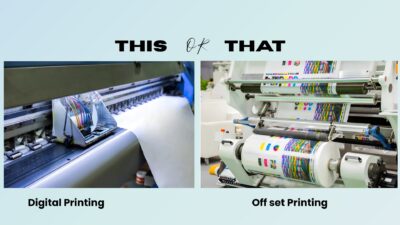
| Feature | Offset Printing | Digital Printing |
|---|---|---|
| Setup Cost | High | Low |
| Best For | Large quantity printing | Small quantity printing |
| Print Quality | Very High | High |
| Turnaround Time | Slower setup | Faster |
Is Offset Printing the Right Choice?
Offset printing is the best choice if you need:
- Large quantity printing
- High-quality professional prints
- Consistent color output
- Cost-effective bulk printing
Digital printing can be considered when you need only a few prints or when you need them urgently.
Offset printing remains one of the most reliable and efficient printing techniques for businesses, publishers, and marketers who require high-volume and high-quality printing.