

Your Complete Guide to Designing Effective Brochures – From Planning to Printing in Coimbatore
Whether you’re promoting a product, inviting customers to an event, or simply building brand awareness, brochures remain one of the most effective and budget-friendly marketing tools. At Print Hub, your trusted partner for brochure printing in Coimbatore, we know how much impact a well-designed brochure can have on your business.
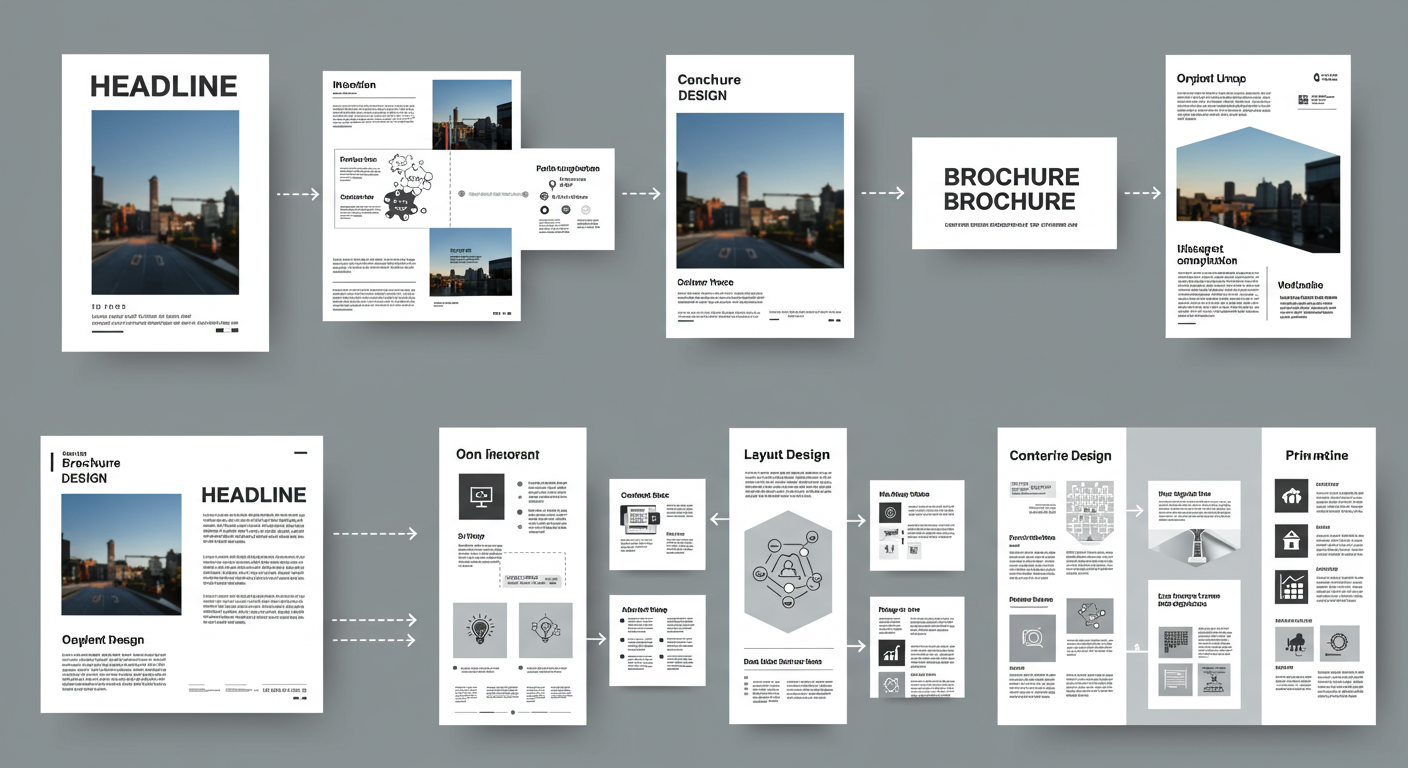
Here’s a simple, step-by-step guide to help you plan, design, and print brochures that grab attention and deliver results.
1. Define the Purpose of Your Brochure
Before you start designing, it’s essential to clearly define the purpose of your brochure. Understanding why you’re creating it will guide the content, design, and distribution strategy.
Ask yourself:
- Is the brochure meant to promote a product or service?
- Is it to create brand awareness?
- Is it intended for an event invitation or promotion?
- Or is it to educate and inform your audience?
A well-defined purpose helps you deliver a focused message to the right audience. It also ensures that your brochure aligns with your overall marketing goals and encourages the desired response—whether that’s visiting your website, contacting your team, or making a purchase.
2. Understand Your Target Audience
To create an effective brochure, you must first understand who you’re designing it for. Knowing your target audience helps you shape the message, tone, and visuals to better connect with them.
Consider these key questions:
- Who are they? (age, gender, profession, interests)
- What are their needs, challenges, or goals?
- What kind of language and design will appeal to them?
- What information will they find most valuable?
When your brochure speaks directly to your audience’s preferences and needs, it becomes more engaging and persuasive—ultimately leading to better results.
3. Gather and Organize Content
Before designing your brochure, gather all the necessary content, including text, images, branding elements, and contact details. Organize the information in a logical order to keep it easy to read and understand. Use short sentences and avoid clutter to help readers quickly skim through. Break up the content using subheadings, bullet points, or numbered lists to improve the flow. Ensure that you include strong calls-to-action that guide the reader to take the next step.
4. Choose the Brochure Type and Fold
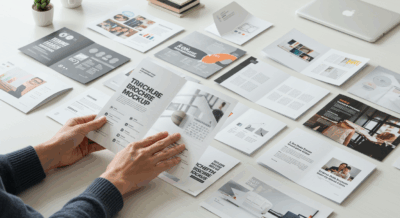
Selecting the right brochure type and fold style is essential for both design and function. The layout you choose should complement the amount of content you want to include and how you want the information to flow.
Types of Brochure Folds & Their Uses
Tri-Fold
The most popular fold. Great for showcasing products, services, or menus. Commonly used by restaurants and real estate agencies.
Bi-Fold
Simple and clean design. Ideal for business brochures and company catalogues.
Z-Fold
Folds like a “Z” and is easy to open. Perfect for step-by-step guides or travel brochures. Often used by travel and tech companies.
Gate-Fold
Stylish and eye-catching. Great for luxury promotions or wedding packages. Used by premium brands and event planners.
Accordion Fold
Multiple panels that unfold like an accordion. Best for detailed instructions or informative brochures.
5. Design the Layout
A well-designed layout improves readability and keeps the reader engaged from start to finish. To achieve this, maintain a balance between text, images, and white space to create a clean, uncluttered look.
Use a grid system to align elements consistently and ensure a professional appearance. Highlight key information by placing it in prominent spots—like the front cover or the center panel—where it’s most likely to be noticed.
Follow a natural reading flow from left to right and top to bottom. Incorporate bold headings and subheadings to break up content and guide the reader’s attention through each section smoothly.
6. Choosing the Right Brochure Template
Selecting the right template is a key step in designing an effective brochure. The right choice ensures your content is well-presented, visually appealing, and aligned with your brand. Here’s what to consider:
- Use readable fonts (max 2–3 types)
- Stick to brand colors
- Maintain consistency (logo, tagline, spacing)
- Align content using a grid for clean visuals
7. Select Fonts, Colours, and Branding Elements
Choosing the right fonts, colours, and branding elements is essential to ensure your brochure looks professional and consistently reflects your brand identity.
Keep Your Brochure On-Brand and Easy to Read
Choose Clear Fonts
Pick fonts that are simple and easy to read. Use 2 to 3 styles—one for headings, one for subheadings, and one for body text. Avoid fancy or hard-to-read fonts.
Use Brand Colours
Stick to your brand’s colours to keep your design consistent. Use bold colours for titles and softer shades for backgrounds to make the text easy to read.
Add Branding Elements
Include your logo, tagline, and any design elements that represent your brand. Place them consistently, like the logo on the front and contact panel.
Keep a Consistent Look
Make sure fonts, colours, and graphics match across the brochure. A consistent style helps your brand look professional and trustworthy.
8. Incorporate High-Quality Images and Graphics
Use Quality Visuals to Make Your Brochure Stand Out
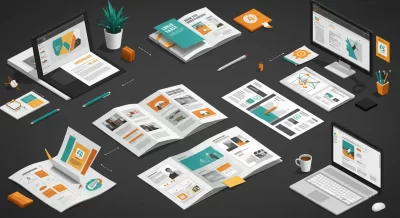
Good visuals help grab attention and clearly share your message. They should support the content, not distract from it.
Use High-Resolution Images
Choose clear, sharp images (300 DPI or higher) for printing. Avoid blurry or low-quality pictures.
Pick Images That Match Your Message
Use photos that show your products, services, or team. Make sure each image has a purpose.
Add Graphics and Icons and Balance Text and Images
Use simple illustrations, icons, or infographics to explain ideas clearly and make your brochure more engaging. Don’t use too many pictures. Leave enough white space and keep the layout clean for easy reading.
Stick to Your Brand Style
Make sure all visuals follow your brand’s colours, tone, and design style for a consistent look.
9 . Write Engaging and Concise Copy
Create compelling headlines along with clear, concise content. Use bullet points to showcase key benefits and persuasive language to encourage action.
Have a colleague or professional editor review the brochure to ensure clarity and accuracy. Confirm that all links, QR codes, and contact details are correct and fully functional.
10. Proofread and Review
Check carefully for spelling and grammar mistakes, and confirm that all contact details are accurate. Print a test copy to review the layout and make any needed adjustments.
Consider eco-friendly printing options, like recycled paper and soy-based inks, to attract environmentally conscious customers. Incorporate QR codes or custom tracking links to monitor engagement and measure your brochure’s effectiveness.
Distribute your brochures strategically in places where your target audience is most likely to see them, such as trade shows, reception areas, or partner locations.
11. Print and Distribute
Choose high-quality paper and printing methods to enhance the final product. Plan distribution through direct mail, events, or digital formats. Consider eco-friendly printing options and track engagement using QR codes or website links.
- Choose the Right Paper: Glossy paper enhances colours, while matte gives a premium feel. Thick paper adds durability.
- Consider Finishing Options: Spot UV, embossing, and foil stamping can add a luxurious touch.
- Opt for Eco-Friendly Printing: Recycled paper and soy-based inks appeal to environmentally conscious consumers.
- Plan Your Distribution: Hand out brochures at trade shows, include them in packaging, display them at reception areas, or mail them directly to potential customers.
- Use QR Codes or Tracking Links: Measure engagement and effectiveness by including a scannable QR code that leads to your website or promotional offer.
You can also mention digital brochures as an alternative or complement to printed versions.
- Interactive PDFs: Embedded with hyperlinks, animations, and clickable CTAs.
- Flipbooks: Online brochures with page-turning effects, great for websites.
- Email-friendly versions: Optimised for email marketing campaigns
Conclusion: Let Print Hub Help You Bring Your Brochure to Life
Creating a brochure doesn’t have to be overwhelming. With the right steps—from goal setting to design and printing—you can craft a powerful marketing tool that gets results.
At Print Hub, we specialize in high-quality brochure printing in Coimbatore, offering a range of sizes, finishes, and eco-friendly options. Whether you’re designing a tri-fold menu or a premium gate-fold invite, we’ll bring your vision to life with professional print solutions and friendly support.